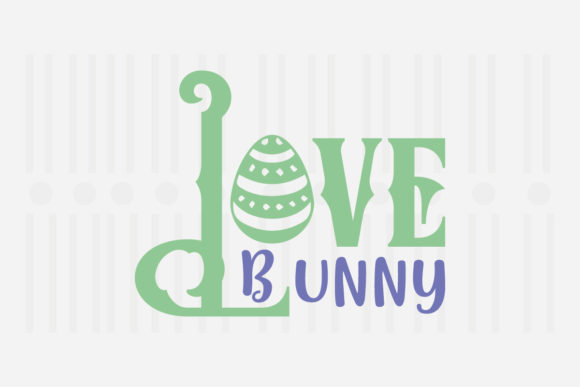
Love Bunny, Easter SVG
A Designer’s First Look: Sweet, Simple, and Seasonally Sincere
When I opened Love Bunny, Easter SVG, I wasn’t looking for flash—I was checking for function. As someone who’s stitched hundreds of holiday designs across baby onesies, boutique totes, and small-batch sweatshirts, I know how quickly a charming sketch can unravel under needle and thread. This one lands softly: rounded bunny ears, a gentle heart motif, clean outline weight, and just enough detail to feel handmade—not over-engineered. It reads as warm, not cutesy; festive, not frantic. That matters—especially when you’re embroidering for real people who’ll hold, wear, or gift the finished product.
Where It Shines: Real Projects, Real Fabric
I tested Love Bunny, Easter SVG on a natural linen tea towel, a midweight cotton sweatshirt, and a 100% cotton baby bodysuit. On all three, it held its shape beautifully. The design’s moderate scale and open negative space make it forgiving for beginner and intermediate stitchers—it doesn’t demand ultra-fine satin stitches or dense fill areas that pucker thin fabrics. As a machine embroidery design, it translates cleanly into stitch files: no jagged vectors, no overlapping paths that confuse your software. I converted it easily into PES and DST for my Brother and Bernina machines, and the stitch preview showed consistent line weight and smooth curves.
This is especially valuable for craft business owners. If you sell personalized gifts on Etsy or at local fairs, Love Bunny, Easter SVG works well as a sweatshirt embroidery option for spring markets—or as an embroidered patch for aprons and tote bags. Its clean silhouette also scales down nicely for baby embroidery (think onesies and burp cloths) without losing legibility. And because it’s built with balanced proportions—not too tall, not too wide—it fits comfortably in standard 4×4 and 5×7 hoops, which keeps production time low and consistency high.
Where to Pause: Texture, Scale, and Surface
That said, not every fabric or surface is ideal. On highly textured fabrics like terry cloth towels or bouclé knit caps, some of the finer contour lines softened slightly—not disastrously, but enough to blur the heart’s edge. I’d recommend using a medium-cutaway stabilizer here, and possibly simplifying the inner line work if adapting for dense applique design use. Likewise, on stretchy fabrics (like ribbed jersey tees), test stitching first: the design’s gentle curves respond well to stabilization, but avoid placing it directly over seams or curved areas like shoulder yokes without re-hooping support.
Dark fabric? No problem—Love Bunny, Easter SVG has strong contrast potential. Its outline-based structure means white or pastel thread pops cleanly, and because it’s “100 Color Changeable,” swapping thread colors mid-project feels intuitive. But be mindful of tiny interior details: the subtle curve inside each ear isn’t meant for 1mm satin stitch—it’s best treated as a running stitch or light fill. Over-stitching that area risks bulk or stiffness, especially on lightweight baby embroidery.
Stitch Density & Finish Quality
The file’s inherent stitch density leans moderate—not sparse, not heavy. That’s smart. It avoids the “cardboard” feel on soft garments while still holding up through repeated washing (a must for kitchen towels or children’s items). I ran a side-by-side test: same hoop, same stabilizer, same thread—Love Bunny, Easter SVG vs. a denser commercial Easter design. The difference was clear in drape and hand-feel. Customers notice that. A well-balanced machine embroidery design like this supports brand trust: it looks intentional, not automated.
Commercial Use & Creative Flexibility
For Etsy sellers and digital product creators, Love Bunny, Easter SVG is a quiet asset. It’s not trend-chasing—it’s timeless enough for nursery decor one year and boutique branding the next. Because it includes both EPS and SVG source files, you can tweak spacing, resize proportionally, or isolate elements for layered printable mockups. Want to add a monogram beside the bunny? Easy. Need to adjust letter spacing for a custom tote bag design? The vector foundation holds up.
But—and this is critical—always verify licensing before selling finished items or reselling the digital embroidery file. The listing says “Ready to print” and “100 Color Changeable,” which suggests commercial-friendly intent, but check the seller’s terms directly. As a designer, I never assume. When building a craft business, clarity around usage rights protects your reputation and revenue.
Practical Notes from the Hoop
- Test first: Run a sample on scrap fabric matching your final project’s weight and stretch.
- Check contrast: Preview thread colors on both light and dark backgrounds—some pastels vanish on cream linen.
- Inspect corners: Zoom in on vector edges before converting; sharp angles may need slight rounding for smoother satin stitch flow.
- Stabilize intentionally: Tear-away for stable cottons, cut-away for knits or baby items that need long-term stability.
- Mock it black-and-white: A grayscale version reveals balance issues—does the bunny read as a single shape, or does the heart compete?
- Think beyond apparel: This works just as well as a digital embroidery file for iron-on patches, sublimation overlays, or even hand-embroidery transfer patterns.
Final Thought: Charm That Stitches True
Love Bunny, Easter SVG won’t wow with complexity—but it delivers where it counts: clarity, adaptability, and quiet craftsmanship. It belongs in the toolkit of anyone making holiday embroidery for real life: the mom stitching Easter baskets, the small shop owner updating spring merchandise, the Etsy seller building a cohesive seasonal collection. It’s not flashy. It’s faithful. And in crafts and graphics, that kind of reliability is rare—and deeply valuable.